BCIL Holds Discussion on Consular Law and Human Rights Following Execution of Two Bangladeshis in Saudi Arabia
Press release · Dhaka, 12 November 2026
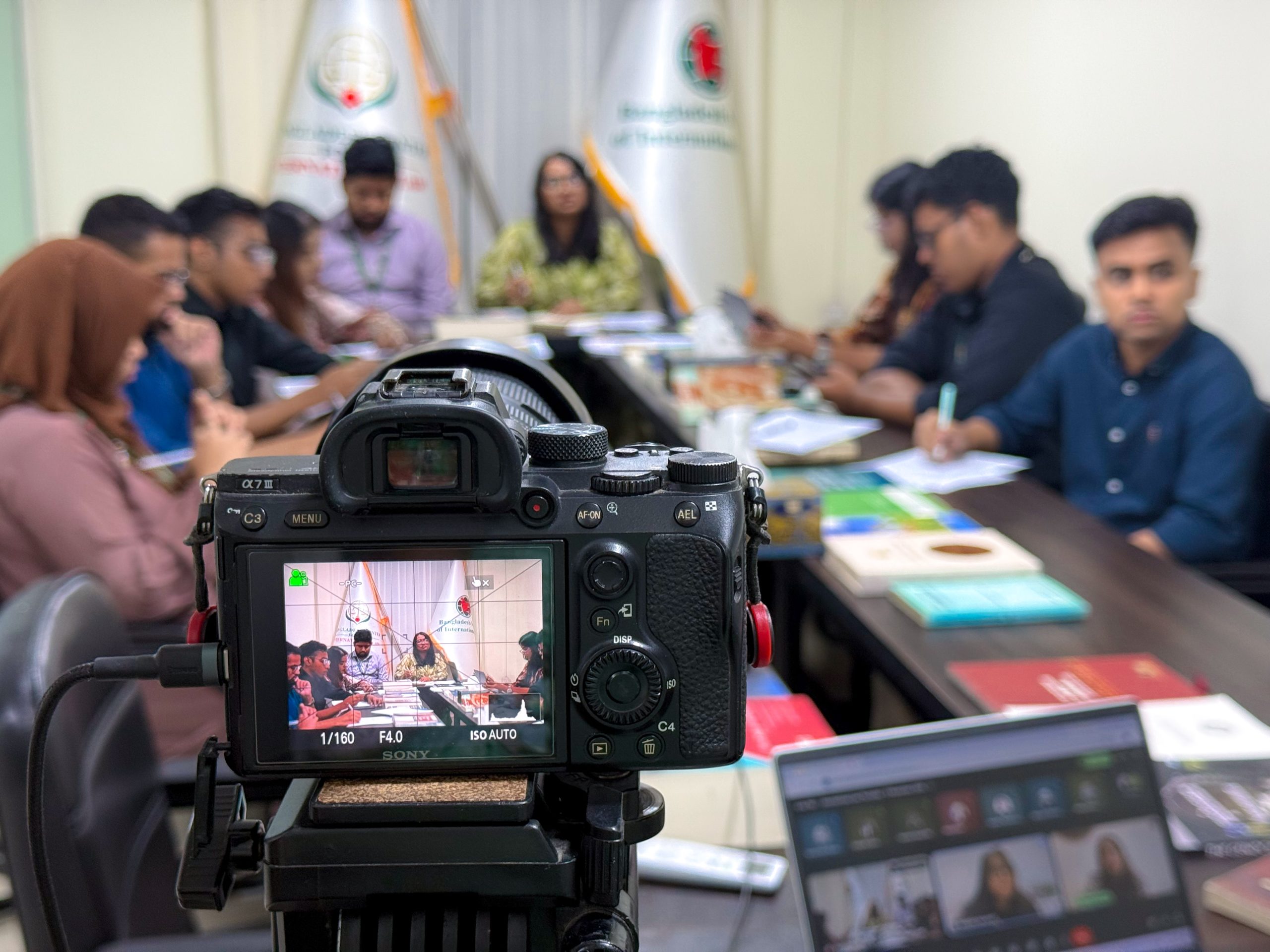
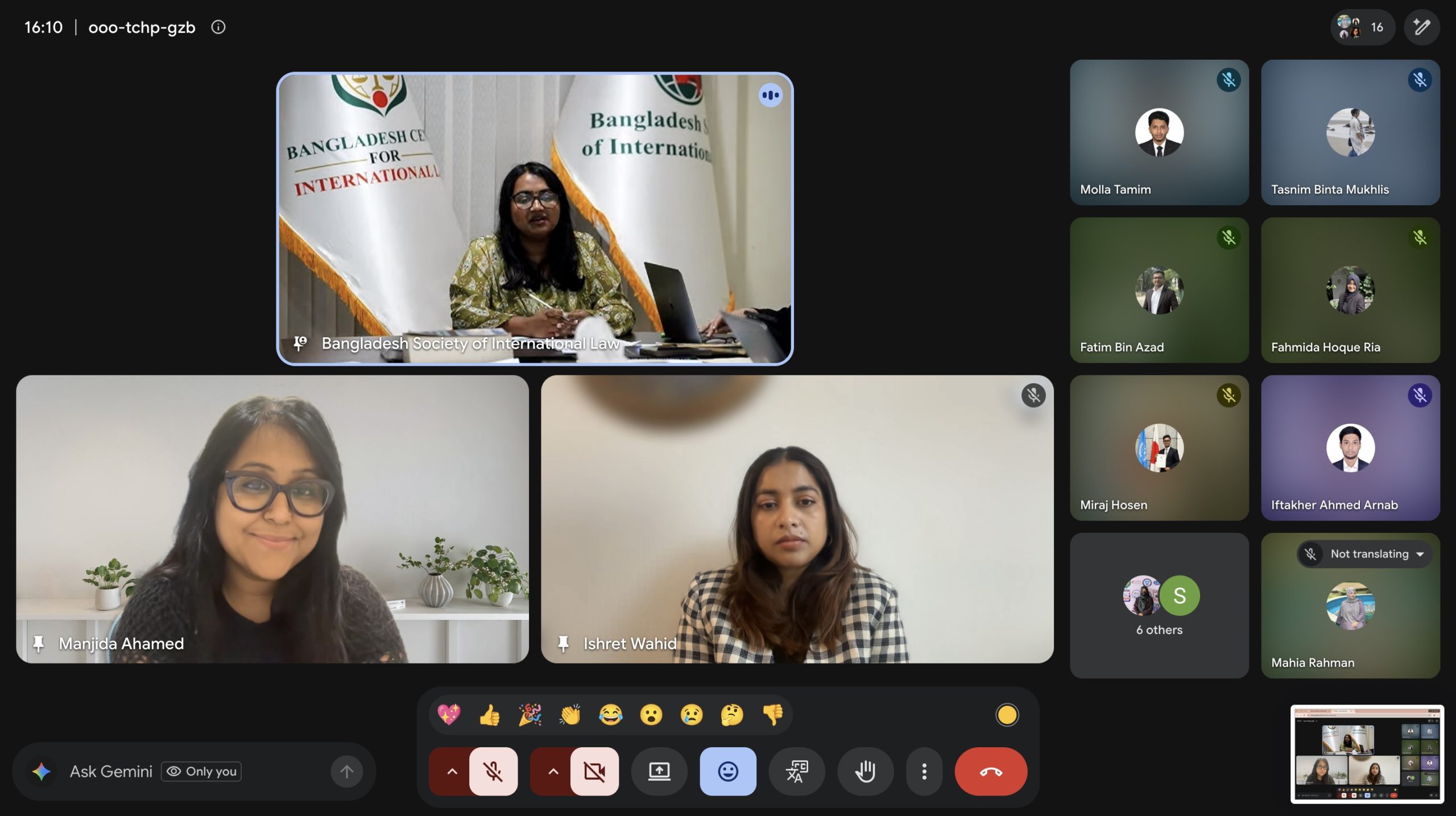
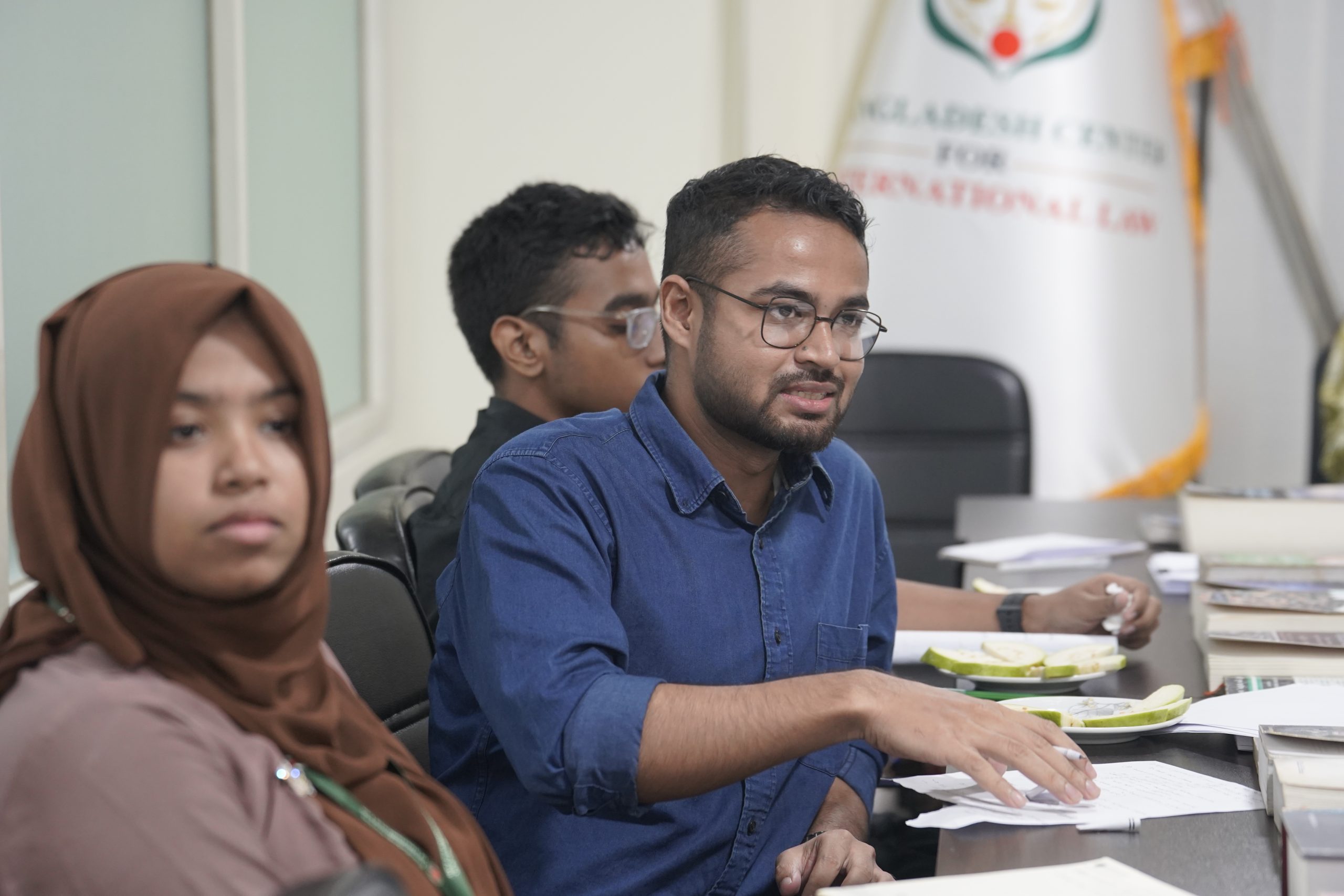
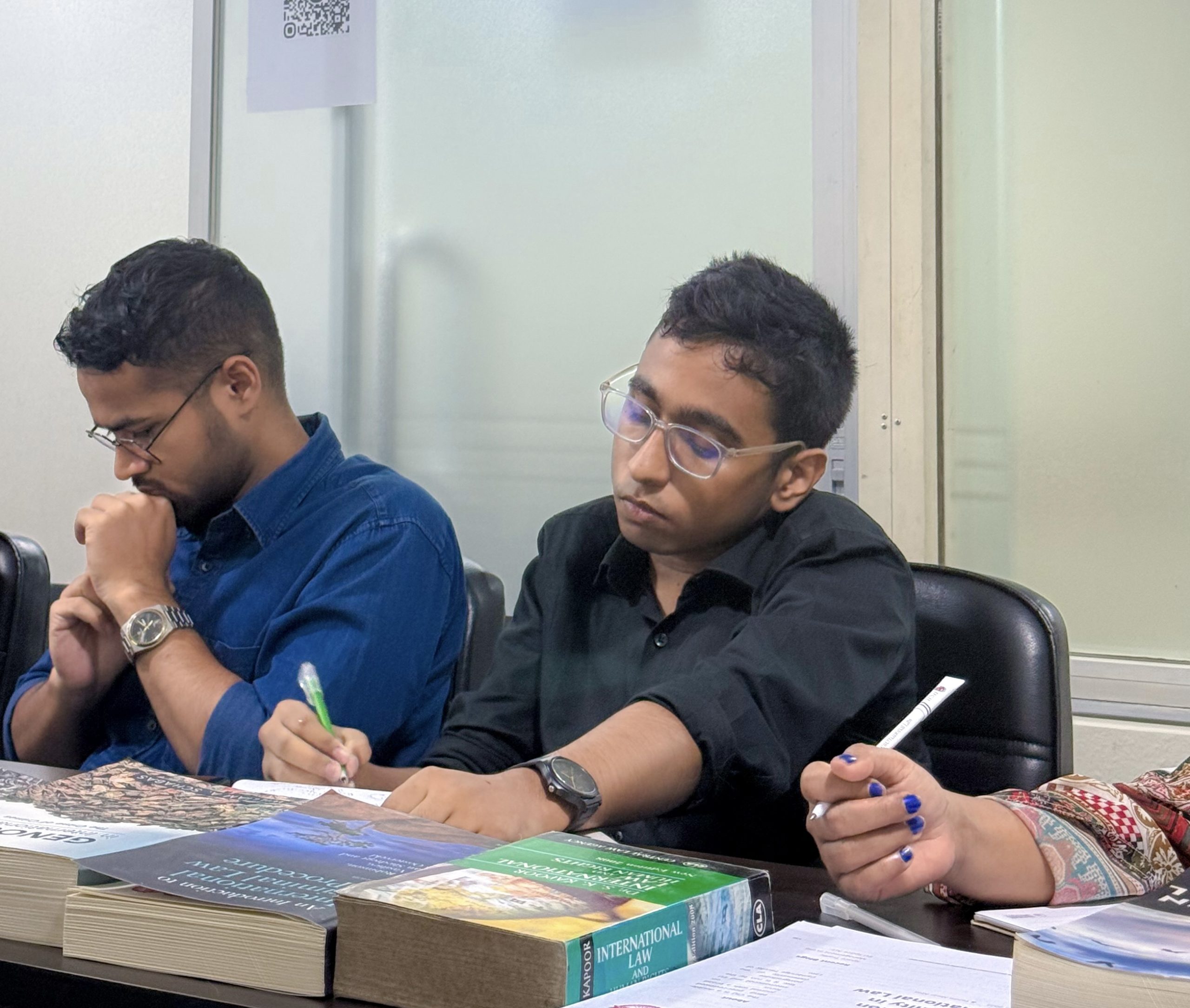
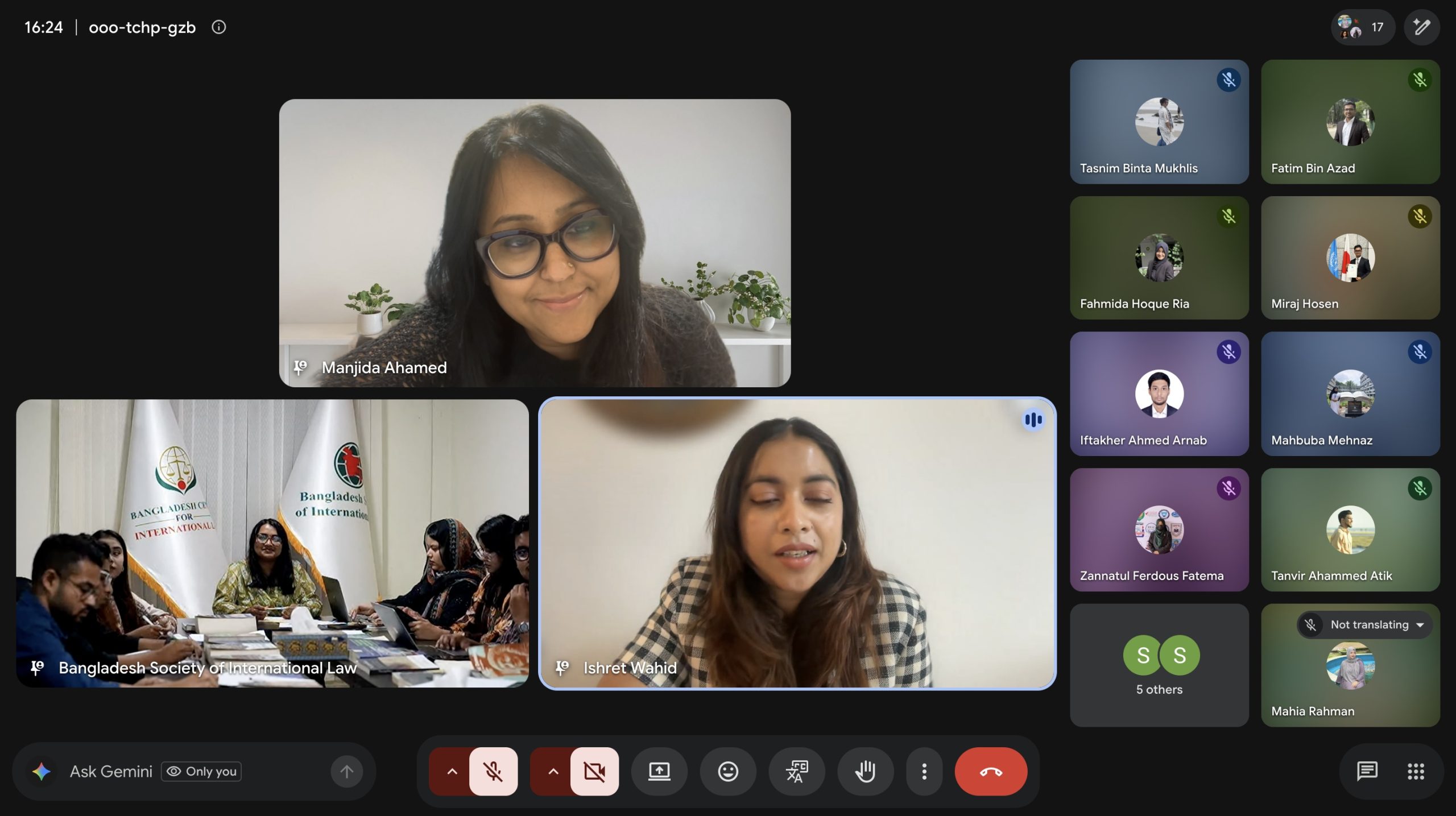
Dhaka, 12 November 2026: The Bangladesh Center for International Law (BCIL), in collaboration with the Bangladesh Society of International Law (BSIL), organised the November edition of International Law Thursday on 5 November 2026, titled “The Bangladesh Paradox of Consular Law and Human Rights”. Held in a hybrid format at the BSIL office in Dhaka, the session examined the protection of Bangladeshi nationals facing criminal proceedings abroad, particularly in light of the execution of two Bangladeshi migrant workers in Saudi Arabia on 14 October 2026.
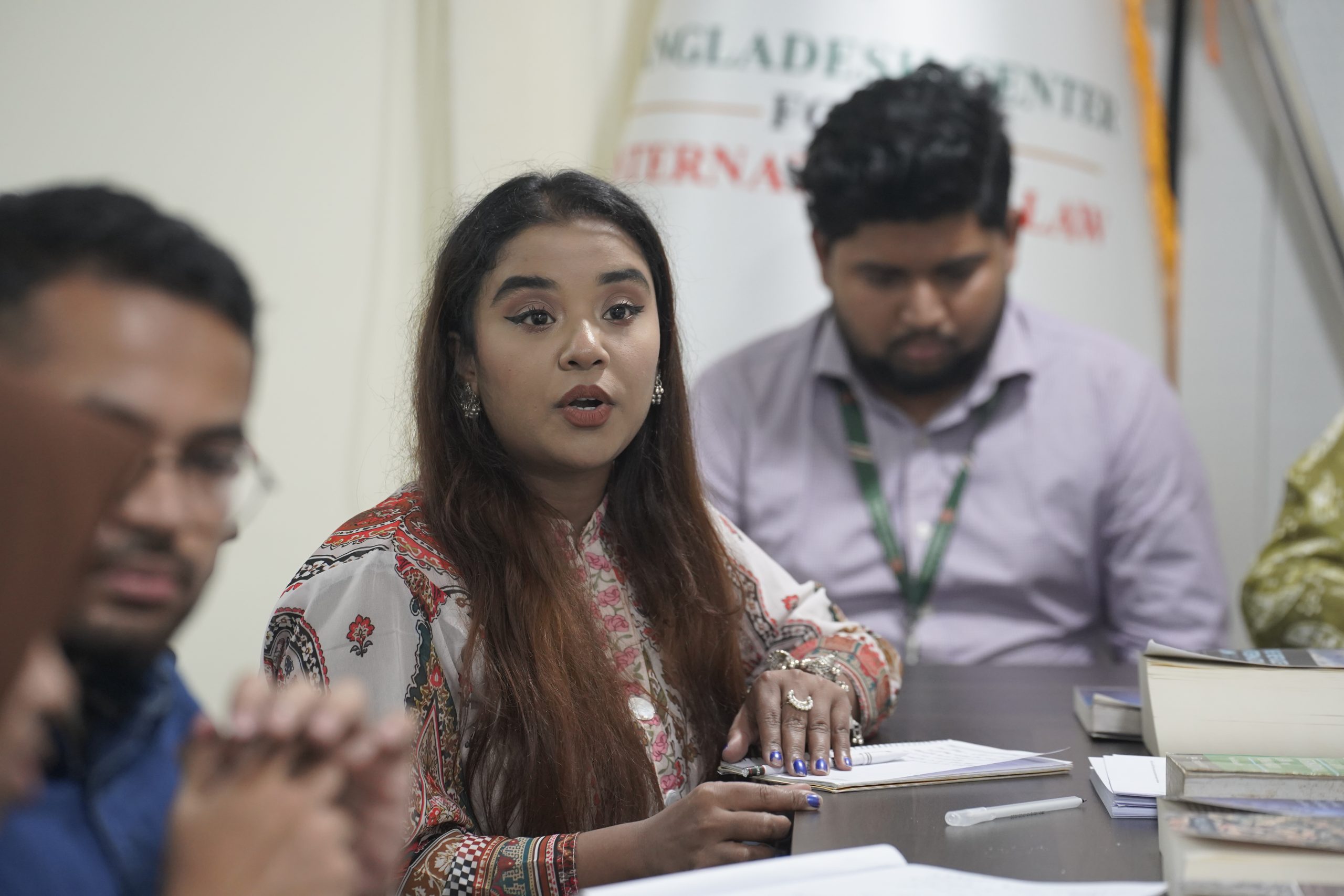
The discussion featured Dr Manjida Ahamed, Senior Lecturer in Law at Middlesex University, London, and Ishret Binte Wahid, PhD Candidate in the Department of Development Studies at SOAS University of London. The session was moderated by Mahbuba Kamal, Managing Director of BCIL.
Dr Manjida Ahamed opened the discussion by examining the legal basis of the recent convictions and executions in Saudi Arabia and the international legal obligations concerning consular protection. Referring to Articles 5 and 36 of the Vienna Convention on Consular Relations 1963, she explained the consular functions of the sending state and the obligations of the receiving state concerning consular notification, communication and access, including the role of consular officers in arranging legal representation. She also discussed the judgments of the International Court of Justice in Avena and Other Mexican Nationals (Mexico v. United States of America) and Jadhav (India v. Pakistan), highlighting the significance of consular rights and procedural safeguards in criminal proceedings. The discussion further addressed the limitations of international adjudication, including the jurisdictional obstacles arising from the absence of consent to compulsory dispute settlement.
Ishret Binte Wahid approached the issue through the structural vulnerabilities of migrant workers, particularly under Saudi Arabia’s kafala sponsorship system. She explained how recruitment-related debt, dependence on employers and unequal bargaining power expose migrant workers to exploitation. She further examined Bangladesh’s economic dependence on overseas remittances and its broader economic relationship with Saudi Arabia, arguing that these considerations contribute to diplomatic caution even when serious concerns arise regarding the treatment of Bangladeshi nationals abroad. A central concern in her discussion was intentional institutional silence. She questioned whether the limited diplomatic response to violations affecting migrant workers could be explained solely by institutional capacity constraints, or whether such silence also reflected deliberate policy choices.
Emphasising the responsibilities of the sending state, Dr Manjida Ahamed outlined possible measures, including clearer consular protection guidelines, stronger bilateral agreements and more effective mechanisms for securing legal assistance. She also discussed the possibility of invoking state responsibility where the relevant legal requirements are satisfied, including the procedure for notifying a claim under Article 43 of the International Law Commission’s Articles on Responsibility of States for Internationally Wrongful Acts.
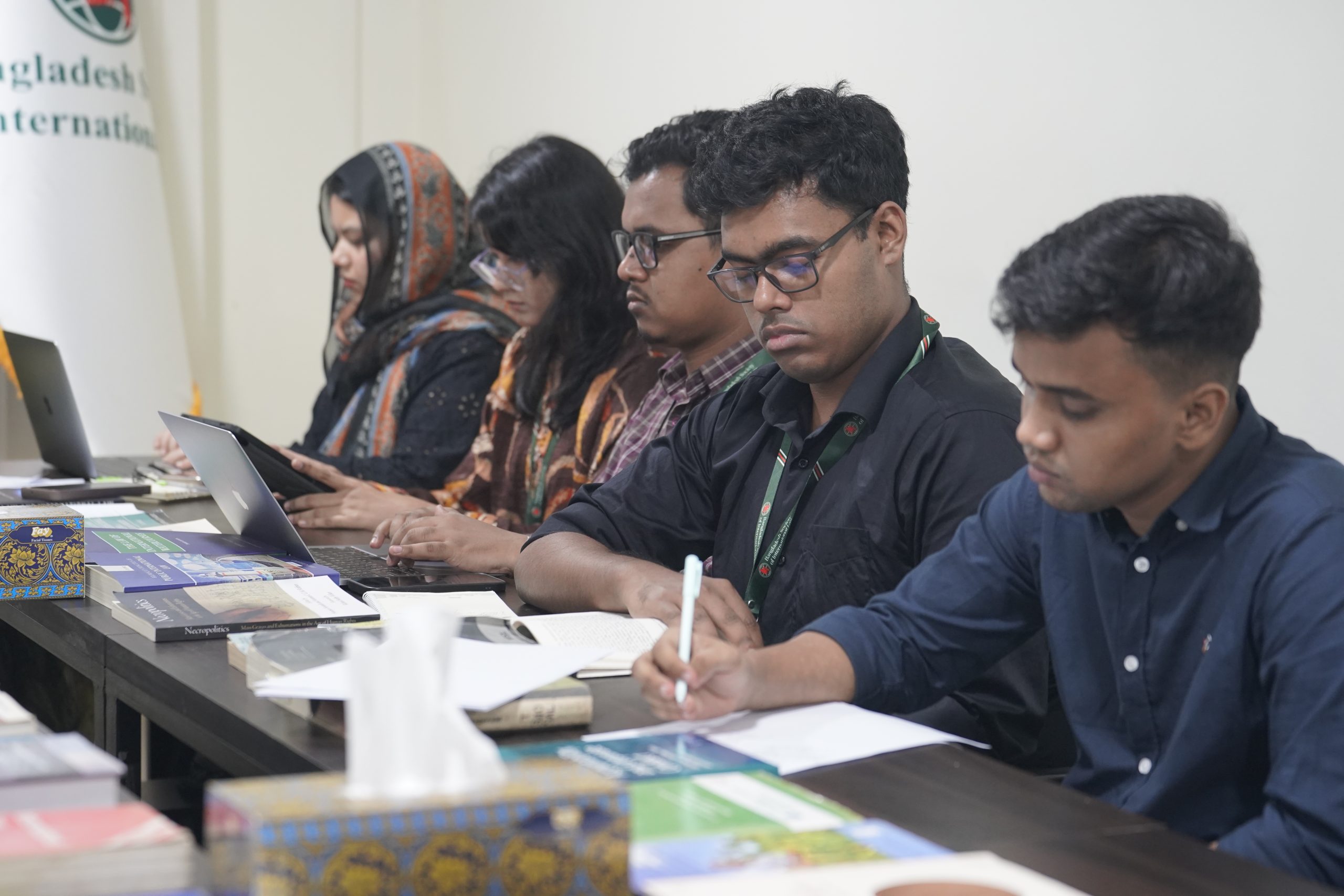
During the interactive session, participants raised questions concerning the accountability of Bangladeshi authorities and whether affected individuals or their families could seek remedies through writ petitions before the High Court Division of the Supreme Court of Bangladesh. The exchange highlighted the need to examine the relationship between domestic constitutional remedies, diplomatic discretion and the state’s responsibilities towards its nationals overseas.
Concluding the discussion, moderator Mahbuba Kamal reflected on the issue through the perspective of Third World Approaches to International Law (TWAIL). She emphasised the importance of moving beyond pessimism about existing international legal structures and exploring how countries of the Global South could use international law, collective engagement and institutional reform to strengthen the protection of vulnerable nationals abroad.
The session brought together legal analysis, migration-related concerns and questions of government accountability, underscoring the need for more effective consular protection and sustained legal and diplomatic engagement to safeguard the rights of Bangladeshi nationals overseas.
Bangladesh Center for International Law (BCIL)
In collaboration with the Bangladesh Society of International Law (BSIL)
87 New Eskaton Road, Dhaka 1000
www.bcil.bd | info@bcil.bd
Speakers
Dr Manjida Ahamed
Senior Lecturer in Law, Middlesex University, London
Ishret Binte Wahid
PhD Candidate, Department of Development Studies, SOAS University of London
Mahbuba Kamal
Moderator; Managing Director, BCIL
Themes
Consular protection
Articles 5 and 36 of the Vienna Convention on Consular Relations; Avena and Jadhav
Migrant workers
The kafala system, remittance dependence and institutional silence
State responsibility
Article 43 of the ILC Articles and domestic writ remedies
TWAIL
How the Global South can use international law to protect nationals abroad
Related
Session page
Photos from the session
Select a photo to view it full size.